
Why high performers get passed over
Here is the uncomfortable truth that nobody tells you early enough in your career: being great at your job is necessary but not sufficient for getting promoted. Every company has people who are quietly excellent — they ship on time, they solve hard problems, they are reliable. And they watch less talented peers get promoted ahead of them, year after year.
The reason is not politics in the cynical sense. It is visibility. Promotion decisions are made by groups of leaders who are evaluating dozens of candidates across the organisation. If they do not know who you are or what you have done, you will not come up. Your manager might advocate for you, but if nobody else in the room can corroborate, their advocacy has limited weight.
The people who get promoted consistently are not necessarily the best performers. They are the best performers who are also visible, who have built relationships across the organisation, and who are perceived as already operating at the next level. That perception gap — between doing next-level work and being seen as a next-level contributor — is where most careers stall.
The promotion is decided before the review
If you think your performance review is when your promotion gets decided, you are already too late. By the time your manager sits down to write your review, the real decision has already been made in a calibration meeting.
Calibration is where managers from across the organisation sit in a room and negotiate. Each manager has a limited number of promotion slots and they have to make the case for their people. Your manager is essentially pitching you to a room of people who may have never worked with you. They need ammunition — specific examples of impact, endorsements from cross-functional partners, and a clear narrative about why you are ready.
This means your promotion case is not built in a review document. It is built over months, through the relationships your manager has with other leaders, through the reputation you have created across teams, and through the concrete evidence of impact you have made easy for your manager to reference.
The implication is straightforward: if you want to get promoted, you need to start building your case at least six months before the review cycle, not two weeks before the self-assessment is due.
The Stakeholder Influence Grid: who decides your promotion
Getting promoted requires a deliberate relationship strategy, and that starts with knowing who actually influences the decision. This is your stakeholder landscape.
Start with the obvious: your direct manager. They are your primary advocate and the person who will make your case in calibration. If your manager does not understand your impact or is not invested in your growth, nothing else matters. Next is your skip-level — the person your manager reports to. Skip-levels often have final say on promotions and they carry significant weight in calibration discussions.
Then broaden your view. Who are the peer managers who sit in calibration alongside your manager? If they have seen your work and can nod along when your name comes up, that is powerful. What about cross-functional leaders whose teams you have partnered with? A VP of Engineering saying "I have seen their work and they are operating at a senior level" can be the deciding factor.
Once you have mapped these stakeholders, build a deliberate engagement plan. This does not mean schmoozing or forced networking. It means finding genuine opportunities to work with these people, to share your thinking in forums they attend, and to build a reputation that precedes you.
| Stakeholder | Role in Your Promotion | Engagement Frequency | What They Need From You |
|---|---|---|---|
| Direct Manager | Primary advocate — makes your case in calibration | Weekly 1-on-1 | Clear impact narrative, documented wins, no surprises |
| Skip-Level | Often has final say — validates your manager's recommendation | Monthly or quarterly | Strategic thinking, leadership signal, cross-team awareness |
| Peer Managers (in calibration) | Corroborators — nod along or stay silent when your name comes up | Organic through cross-functional work | Positive working experience with their team members |
| Cross-Functional Leaders | Endorsers — their support adds weight in the room | Project-based, quarterly check-ins | Evidence that you operate beyond your team boundaries |
| HR / People Partner | Process owner — ensures criteria are met | As needed | Compliance with level expectations and documentation |
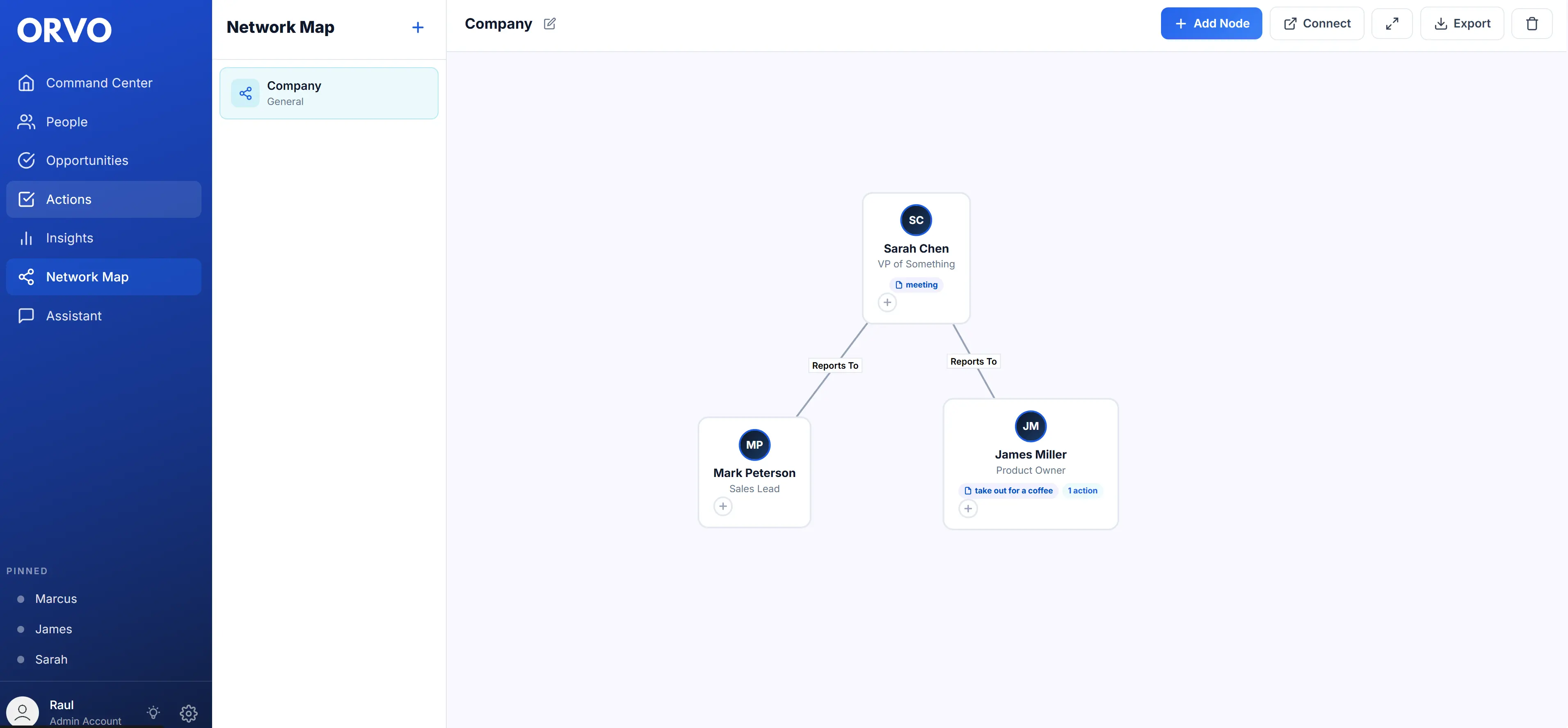
Orvo's Network Map helps you visualise exactly these stakeholder relationships → Try it free
Build your promotion case over 6 months, not 2 weeks
The work of getting promoted is a sustained campaign, not a last-minute sprint. Yet most people only start thinking about their promotion case when the self-assessment form lands in their inbox. By then, you are trying to remember what you did eight months ago and half the impact is lost.
Start by documenting your work continuously. Every time you ship something significant, get positive feedback, or drive a cross-functional outcome, write it down with specifics. Not "led the Q3 project" but "led a cross-functional team of 8 to deliver the payment migration 2 weeks early, reducing processing costs by 15%." Numbers, scope, and business impact — these are the details that make promotion cases compelling.
Actively collect feedback throughout the cycle. After a successful project, ask your collaborators to share their feedback in writing — a Slack message or email is fine. These endorsements become evidence your manager can cite. Do not wait for formal feedback channels.
Take on stretch assignments that demonstrate next-level capabilities. If you want to be promoted to a role that requires cross-functional leadership, volunteer for initiatives that let you practice that skill visibly. The goal is to make the promotion feel like a formality — everyone already sees you operating at that level.
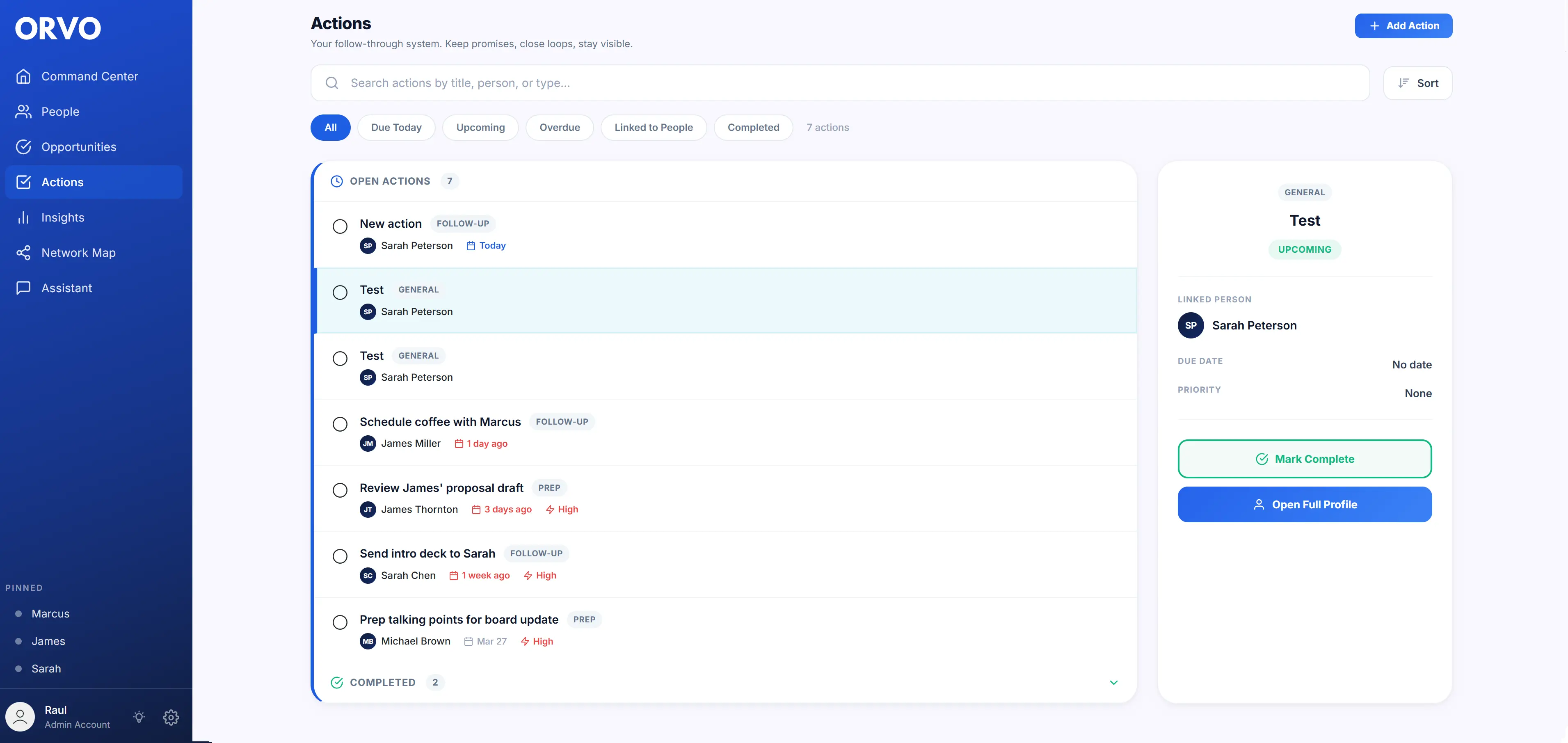
The 6-month promotion playbook
Here is the exact timeline for building an undeniable promotion case. This is the playbook that separates people who hope for promotions from people who engineer them.
Month 1-2: Map and align. Identify your stakeholder landscape using the grid above. Have the explicit conversation with your manager about your promotion goal. Get specific criteria: what does "ready for the next level" look like? Document their answer.
Month 2-3: Close gaps and build evidence. Start working on any gaps your manager identified. Take on a stretch project that demonstrates next-level skills. Begin building relationships with the peer managers who sit in calibration — find natural reasons to collaborate.
Month 3-4: Create visibility. Present your work in forums where leadership is present. Share written updates that reach beyond your direct team. Ask for a skip-level meeting to discuss your career trajectory. Collect written feedback from cross-functional partners.
Month 4-5: Strengthen advocates. Check in with your manager on progress. Ensure your skip-level has a positive, current impression of your work. Make sure at least 2-3 people outside your direct team can speak to your impact if asked. Continue documenting wins.
Month 5-6: Prepare your manager to pitch. Give your manager a one-page summary of your impact, endorsements, and growth. Make it easy for them to make your case — they are busy and will use the materials you provide. Confirm the timeline: when is calibration? What else do they need from you?
Orvo tracks your stakeholder interactions, follow-ups, and relationship history — so your promotion case builds itself over 6 months.
Start Free TrialHow top performers track stakeholder relationships
The professionals who consistently advance are not just talented — they are systematic about their relationships. They know who they have spoken with recently, what was discussed, what they committed to, and where the gaps are.
Most people try to manage this with memory, scattered notes, or a spreadsheet they update once and forget about. That works when you have 5 stakeholders. It breaks down completely when you have 15-20 people who influence your career trajectory.
The difference between ad-hoc relationship management and a deliberate system is the difference between hoping your manager remembers your impact and ensuring every stakeholder in the room already knows it.
| Approach | Spreadsheet / Notes | Orvo |
|---|---|---|
| Contact organisation | Manual entry, gets stale quickly | Syncs with Google, Outlook, WhatsApp — always current |
| Meeting notes & context | Scattered across apps and docs | Centralised per-person notes with full history |
| Follow-up tracking | Easy to forget commitments | Actions with reminders tied to specific people |
| Stakeholder mapping | Static chart, no relationship data | Visual Network Map with live connections |
| AI-powered insights | None | Career navigation, stakeholder influence coaching, meeting prep |
| Cross-device access | Depends on tool | Web app accessible from any device |
| Relationship health | No visibility | See who you have not engaged with recently |
Your relationships are your career. Start managing them.
Get Orvo FreeThe conversation with your manager
At some point, you need to explicitly tell your manager that you want to be promoted. This feels awkward for most people, but it is essential. Your manager cannot advocate for something they do not know you want, and assuming they will figure it out on their own is a mistake.
Here is a script that works: "I want to talk about my growth trajectory. My goal is to be promoted to [next level] within the next [timeframe]. I have been thinking about what it takes to get there and I would like your perspective on where I stand and what gaps I need to close." This is direct without being presumptuous. It opens a dialogue rather than making a demand.
The key is to frame the promotion as a shared project between you and your manager. When your manager promotes you, it reflects well on them — it shows they develop talent. Make it easy for them to invest in your promotion by being clear about your goals, receptive to feedback, and proactive about closing gaps.
Ask specifically: "What would make my promotion case undeniable in the next calibration cycle?" This forces your manager to articulate concrete criteria rather than vague platitudes about "continuing to grow." Write down what they say and check in on your progress monthly. If your manager cannot articulate what you need to do, that is a red flag worth paying attention to.
Use AI to prepare for high-stakes conversations
The most nerve-wracking part of the promotion process is often the conversations themselves — with your manager, your skip-level, or senior stakeholders you do not interact with regularly. Walking in unprepared is a risk you do not need to take.
Before any high-stakes conversation, review what you know about the person. What have you discussed before? What are their current priorities? What do they care about most? Having this context at your fingertips transforms a stressful conversation into a strategic one.
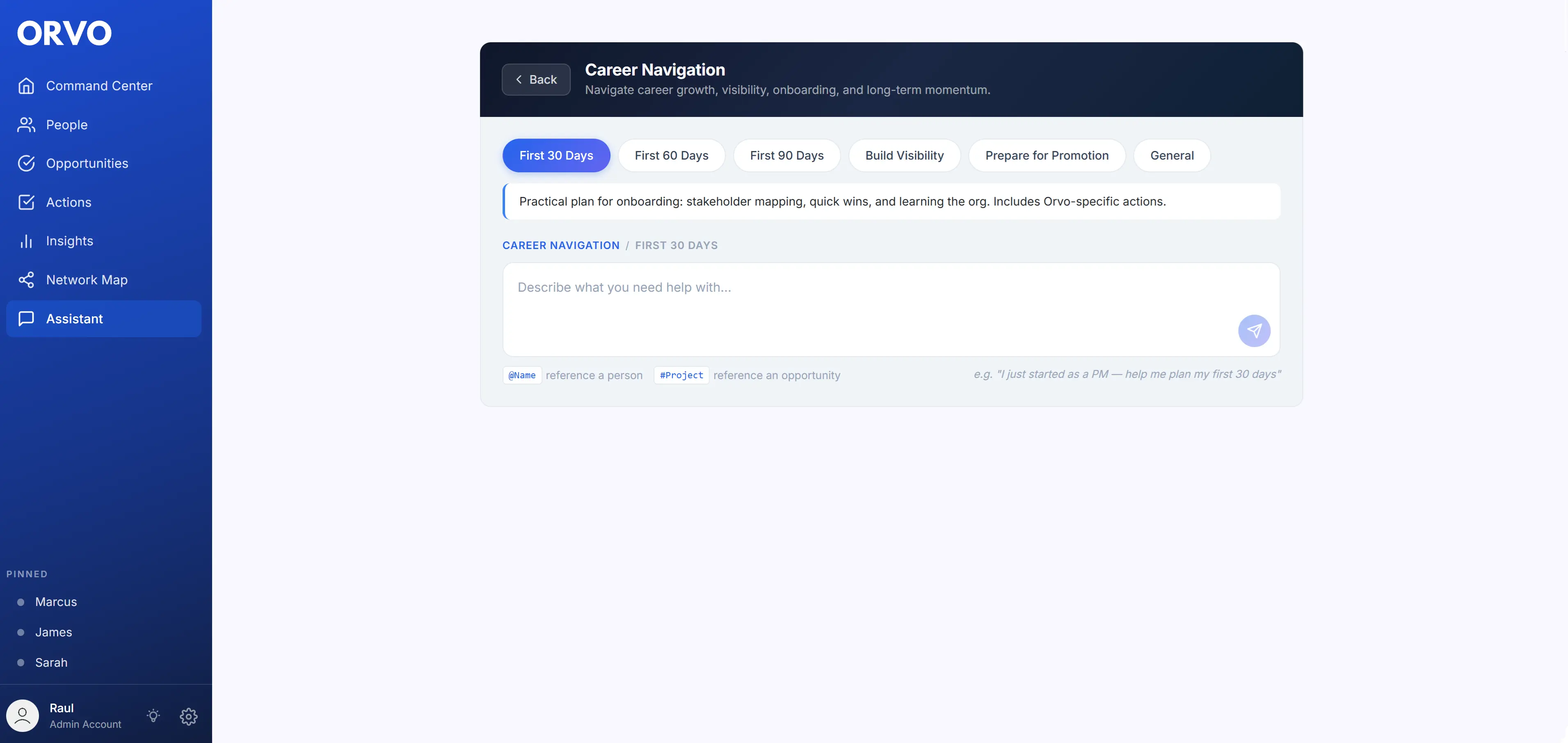
Orvo's AI Assistant is designed for exactly this. It includes modules specifically built for career navigation — helping you prepare for promotion conversations, navigate organisational politics, build alignment with stakeholders, and influence without formal authority. It is not generic advice — it uses your actual relationship context to give you relevant, actionable guidance.
What to do if you get passed over
Getting passed over for a promotion you expected is one of the most demoralising experiences in a career. How you handle it matters more than you think.
First, give yourself 48 hours before having any serious conversations about it. Your initial emotional reaction is valid but acting on it rarely helps. Do not send frustrated messages to your manager or peers. Do not start interviewing out of spite the next day. Let the initial sting pass.
Then have a direct conversation with your manager. Ask specific questions: "What was the gap between where I am and what was needed? Who did get promoted and what did their case have that mine did not? What would need to be true for me to be promoted in the next cycle?" Listen carefully to the answers. Sometimes the feedback reveals a genuine gap you can close. Other times it reveals that the environment is not set up for your success — the promotion slots were limited, the criteria shifted, or your manager did not advocate effectively.
Based on what you hear, make a deliberate decision. If the feedback is actionable and the timeline is reasonable, commit to the plan and track your progress aggressively. If the feedback is vague, the goalposts keep moving, or you sense the organisation does not value what you bring, it may be time to explore opportunities elsewhere. The worst outcome is staying in limbo — neither fully committed nor actively looking.
Whatever you decide, do not burn relationships. The person who passed you over might be your reference, your future colleague, or your manager at another company. The professional world is smaller than it feels, and how you handle disappointment is something people remember.
Key Takeaways
- ✓ Great work is necessary but not sufficient — promotions require visibility and stakeholder advocacy
- ✓ Promotion decisions are made in calibration meetings before your review, not during it
- ✓ Use the Stakeholder Influence Grid to map your manager, skip-level, peer managers, and cross-functional leaders
- ✓ Follow the 6-month promotion playbook: map, align, close gaps, create visibility, strengthen advocates, prepare your manager
- ✓ Build a system for tracking stakeholder relationships — memory does not scale past a handful of people
- ✓ Have an explicit conversation with your manager about your promotion timeline and the specific gaps to close
- ✓ If you get passed over, get specific feedback, make a deliberate decision, and never burn relationships